
Project Planning
Bring the Budget Into the Design Conversation.
A clearer starting point for discussing project expectations, alternatives and responsibilities.
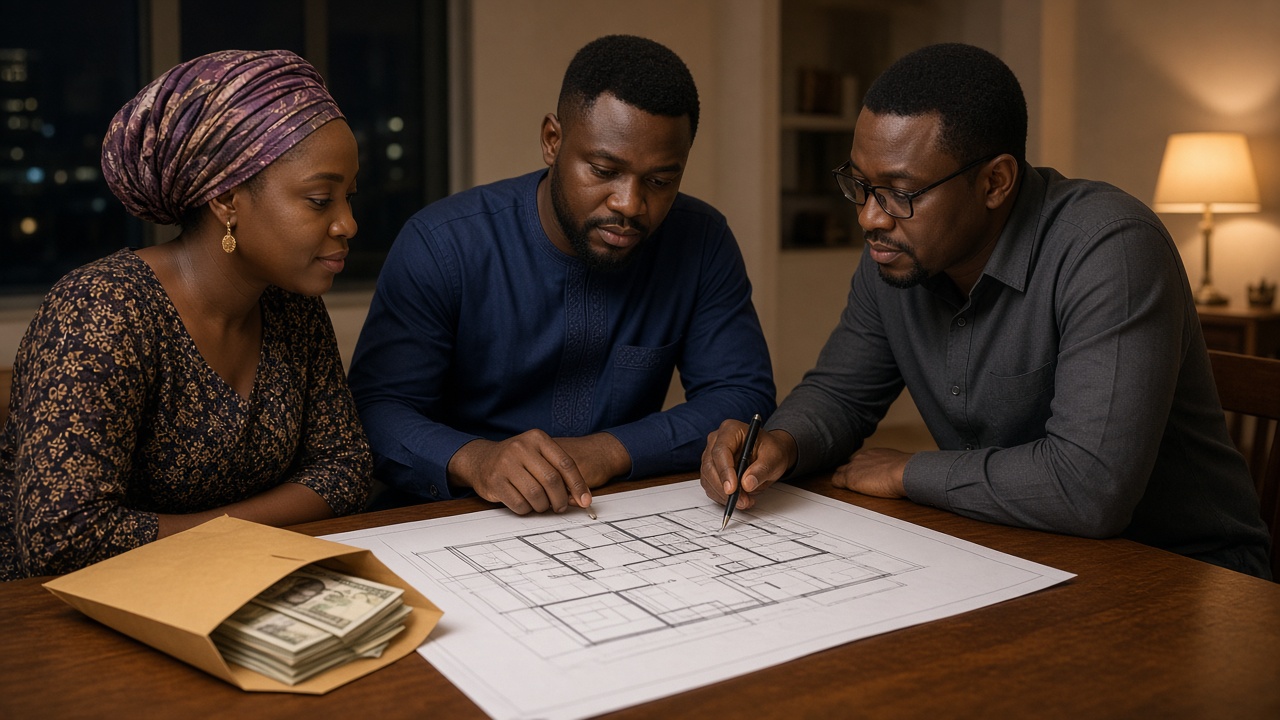
A project brief describes what needs to be achieved. It should also make the cost expectations and open questions clear.
Phatigyee’s design-and-build approach places initial budgets, design-stage cost control and the evaluation of alternatives within the same planning conversation.
Start With the Purpose.
Explain what the project needs to do and which requirements matter most.
This gives the design discussion a clearer direction than beginning with appearance or cost alone.
Explain the Budget Position.
A confirmed budget and an early estimate are not the same thing.
Make clear which figures are established and which still need assessment. This helps avoid treating an initial assumption as an agreed project price.
Consider the Alternatives.
Different options may have different cost implications.
Identify which decisions are fixed and where alternatives can still be discussed. The aim is to compare options against the project’s actual requirements.
Clarify Responsibility.
A design-and-build conversation should explain how design and construction responsibilities are intended to connect.
The agreed scope must define those responsibilities rather than rely on the label alone.
Confirm the Next Step.
An initial discussion does not establish a final price or delivery date.
The requirement, available information and proposed scope provide the basis for the next stage of assessment.
Have a Project in Mind?
Tell us about the objective, location and budget information available.